
NAD+ Therapy: Evidence, Protocols, Benefits & Safety (Physician Guide)
Author: Dr. Sebastiaan Van Cauwenberge, MD
Certified Longevity Physician (GCLS)
The Clynique — Bruges, Belgium
Executive Summary
NAD+ (nicotinamide adenine dinucleotide) is a central coenzyme in cellular metabolism, mitochondrial function, DNA repair, and stress resistance. Levels decline with age, chronic stress, metabolic disease, and inflammation.
NAD+ therapy aims to restore intracellular availability through pharmacological dosing strategies that exceed what can be achieved with nutrition alone.
- Cellular energy and fatigue syndromes
- Neurocognitive performance and recovery
- Metabolic and longevity-oriented optimization
What Is NAD+ and Why Does It Matter?
NAD+ is a ubiquitous coenzyme required for hundreds of redox reactions. It plays a key role in mitochondrial ATP production, DNA repair, and cellular resilience.
Cellular Energy Production
NAD+ enables oxidative phosphorylation and ATP generation. Low levels impair stamina, recovery, and metabolic flexibility.
DNA Repair
NAD+ is consumed during repair of oxidative DNA damage, increasing demand under chronic stress.
Sirtuin Activation
Sirtuins regulate aging-related pathways, inflammation, and metabolic function.
Age-Related Decline of NAD+
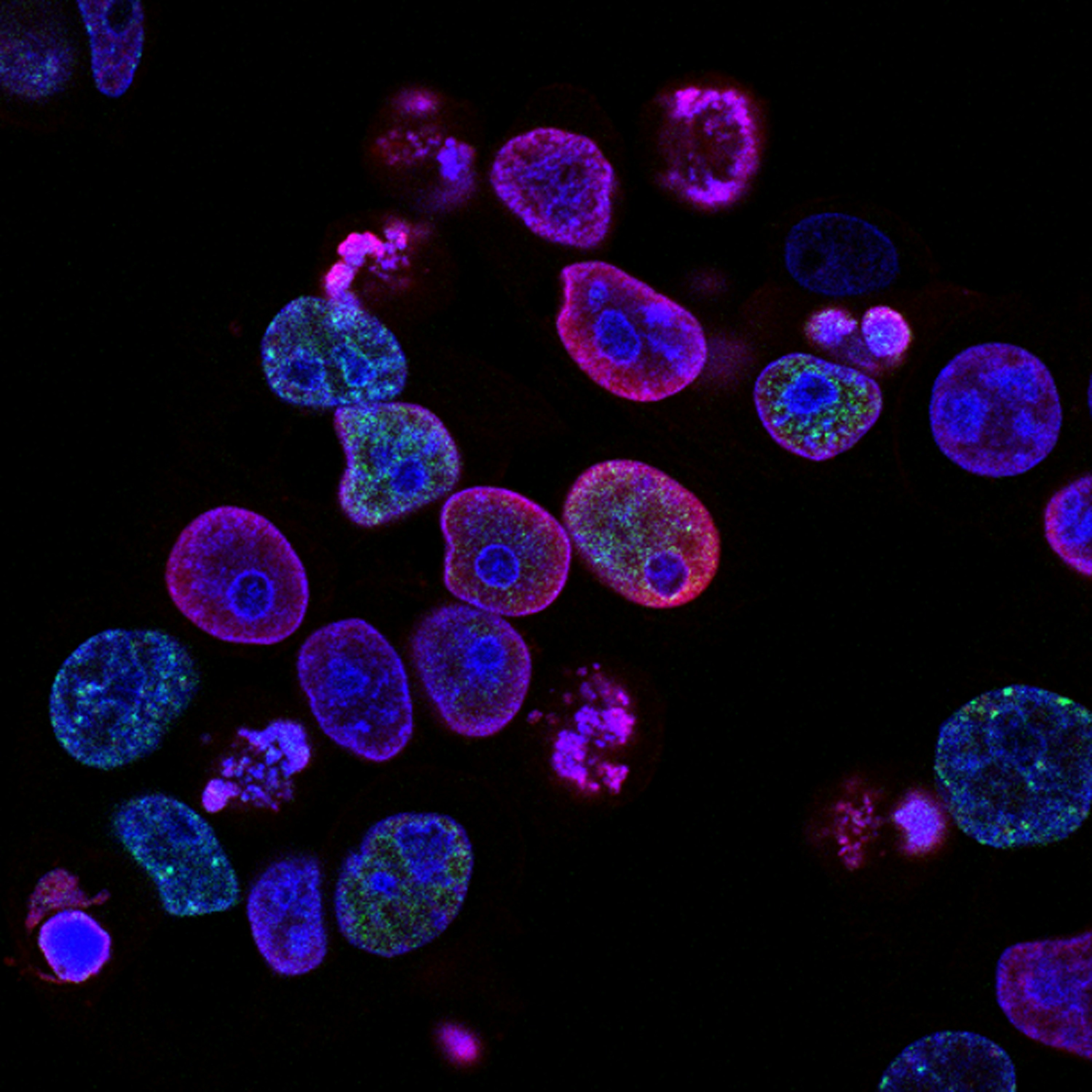
NAD+ levels decline progressively with age due to increased consumption, reduced synthesis, mitochondrial dysfunction, and lifestyle factors.
- Increased oxidative stress
- Inflammation
- Poor sleep
- Metabolic disease
- Environmental toxins
Delivery Methods of NAD+ Therapy

Intravenous (IV) Infusion
- Rapid systemic delivery
- High plasma levels
- Time-intensive clinical procedure
Subcutaneous Injection Therapy
- Gradual absorption
- Suitable for maintenance protocols
- Convenient and repeatable
Oral Precursors (NMN, NR)
- Non-invasive
- Variable bioavailability
- Generally milder effects
Mechanisms of Action

- Mitochondrial function: Supports ATP production
- Neuroprotection: Supports neuronal resilience
- Metabolic regulation: Influences insulin sensitivity
- Stress adaptation: Enhances cellular recovery capacity
Clinical Indications

- Persistent fatigue
- Cognitive performance support
- Metabolic optimization
- Healthy aging programs
- Recovery protocols
Typical Protocol Structure
Loading Phase
Initial period with higher frequency dosing to restore levels.
Maintenance Phase
Ongoing lower-dose therapy to sustain benefits.
Personalization
Adjusted based on age, metabolic health, lifestyle, and goals.
Expected Benefits

- Increased energy
- Improved mental clarity
- Better recovery
- Enhanced stress resilience
- Potential sleep improvements
Safety Profile
NAD+ therapy is generally well tolerated when administered appropriately.
Common Mild Effects
- Injection site discomfort
- Flushing
- Nausea
- Headache
- Temporary fatigue
Contraindications
- Pregnancy or breastfeeding
- Active malignancy (case-specific)
- Severe organ dysfunction
- Unstable cardiovascular disease
Lifestyle Integration

- Sleep optimization
- Balanced nutrition
- Regular physical activity
- Stress management
Limitations of Current Evidence
- Long-term trials remain limited
- Optimal dosing still under investigation
- Individual responses vary
Physician Perspective
NAD+ therapy is best viewed as part of a comprehensive longevity strategy integrating lifestyle, medical guidance, and ongoing monitoring.
Medical Disclaimer: This information is for educational purposes only and does not constitute medical advice. Consult a qualified healthcare professional before starting any therapy.